Blog

Blog:

Reactive behaviour often feels unpredictable. One day a dog copes well with a situation; the next day the same situation triggers barking, lunging, freezing, or withdrawal. This apparent inconsistency leads many people to believe their dog is being stubborn or difficult. In reality, reactivity is...
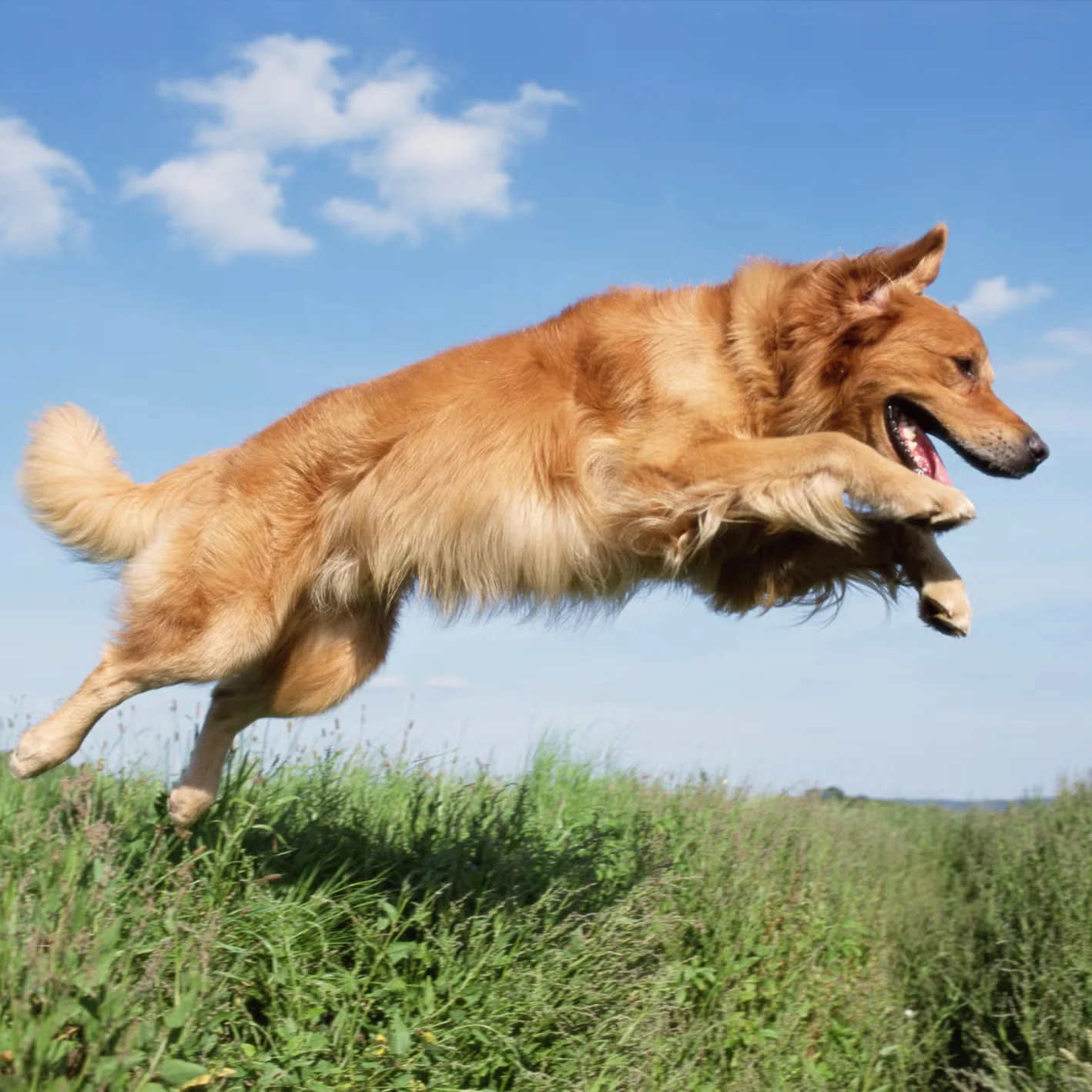
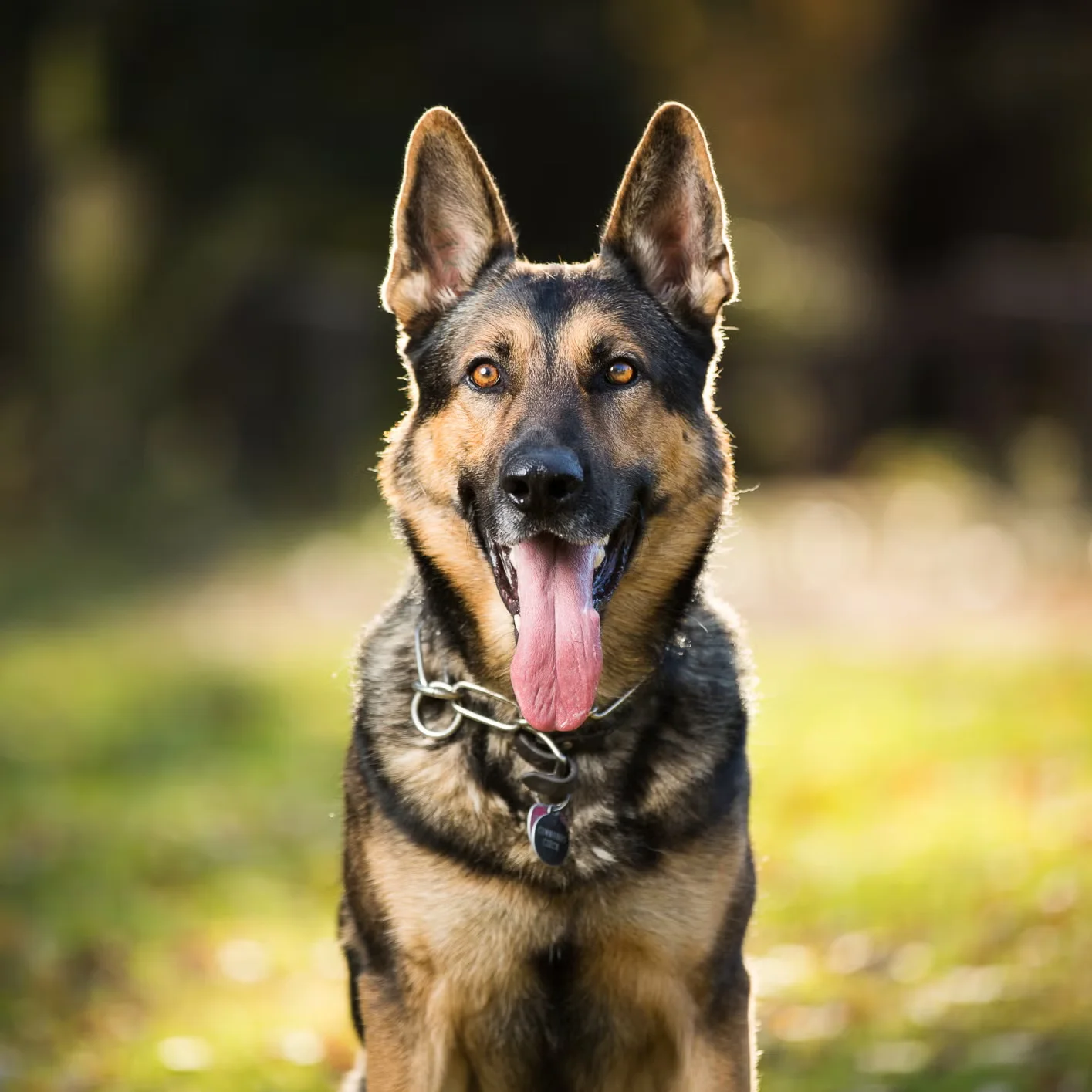
Barking is one of the most visible and emotionally charged behaviours dogs display. It can disrupt households, strain neighbour relationships, and leave guardians feeling embarrassed or helpless. Yet barking itself is rarely the true issue. It is a signal. It is an outward expression of...

Many dogs labelled as reactive, difficult, or unpredictable are not behaving badly. They are overwhelmed. Their behaviour is not a calculated decision or a failure of training; it is a stress response. It is the outward expression of a nervous system operating beyond its capacity. When...

Resource guarding is one of the most misunderstood canine behaviours. When a dog growls over food, stiffens around toys, or snaps when approached near a valued item, it is often labelled as dominant, possessive, or aggressive. In reality, resource guarding is not about ownership or...

Many behaviour challenges do not begin with disobedience. They begin with missed communication. Dogs are constantly communicating how they feel, but their language is subtle, easily overlooked, and often misunderstood. When these signals are missed or misinterpreted, dogs are left with fewer options and behaviour...

Recall is often described as one of the most important behaviours a dog can learn, yet it is also one of the most fragile. Many dogs respond reliably at home but appear to “forget everything” the moment distractions appear. This is not because the dog...

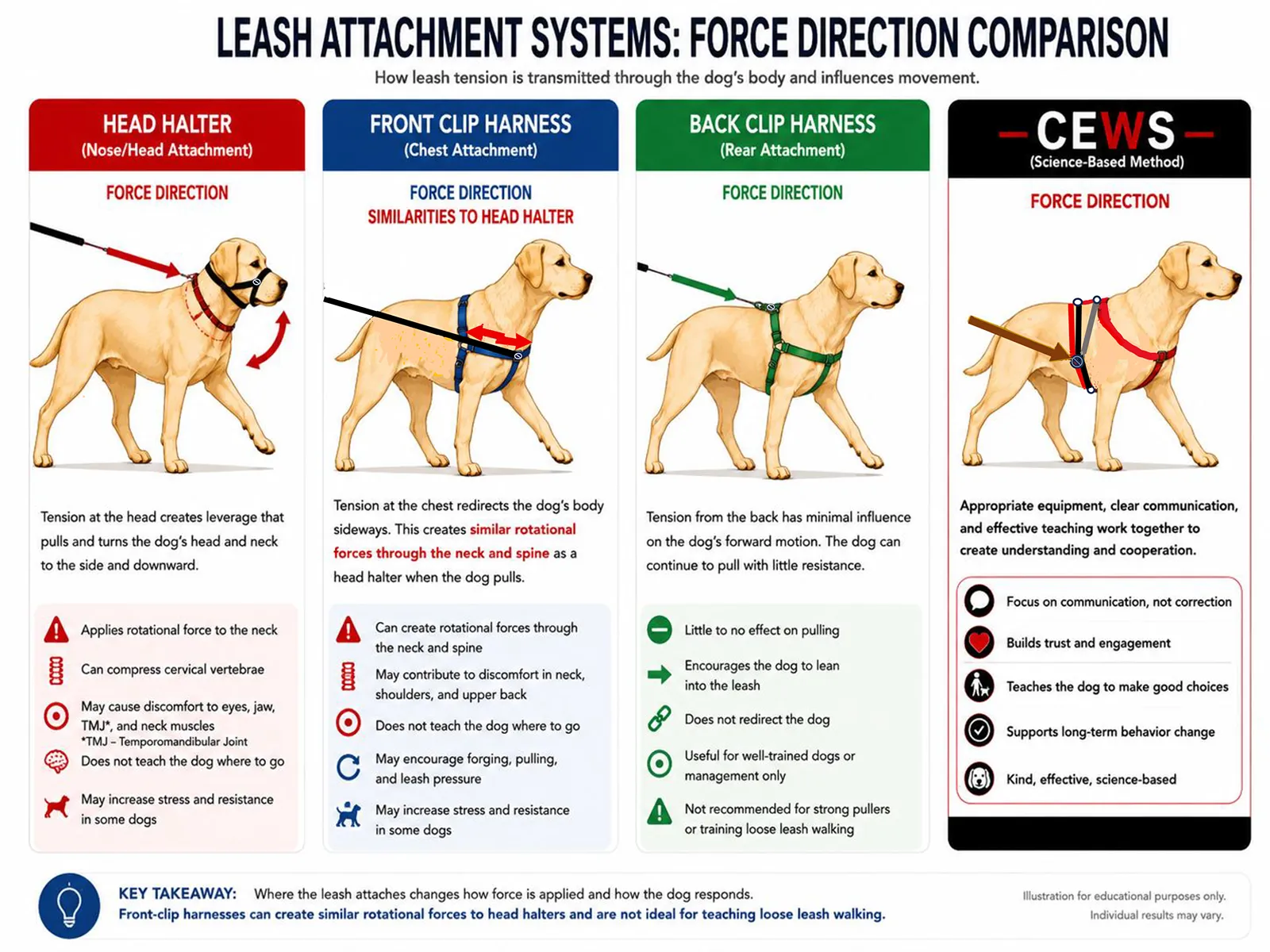
Loose Lead Walking: Why Calm Walking Is Built, Not Forced By Orlando dos Santos Loose lead walking is one of the most common training goals for dog guardians, and also one of the most misunderstood. Many people believe their dog pulls because they are stubborn, dominant, or deliberately...

Training Success Starts with Clarity By Orlando dos Santos Most people come to training with a problem. Their dog pulls on the lead, barks excessively, jumps on visitors, or reacts strongly to other dogs. The behaviour feels urgent, embarrassing, or overwhelming, and the natural instinct is to...

A lot of people think dog behaviour is simple. A dog is either: good, bad, obedient, or naughty. But behaviour is much more complicated than that. Dogs don’t behave randomly. Their behaviour is driven by needs. At CEWS, we use something called the SCARP Needs Wheel to help explain this. SCARP stands for: Safety Connection Autonomy Regulation Predictability These are five...